








Stories of Success

CASE STUDY
Goodyear® Tires Gain Traction With Soy
This tire manufacturer wanted to reduce its reliance on fossil fuels. So, we worked with their team to replace petroleum-based oils with high-performance soybean oil in their rubber. The company has launched 11 new bio-based lines of tires to date, improving traction and reducing environmental impact. They’ve committed to entirely replacing petroleum oil by 2040.



Stories of Success
CASE STUDY
Goodyear® Tires Gain Traction With Soy
This tire manufacturer wanted to reduce its reliance on fossil fuels. So, we worked with their team to replace petroleum-based oils with high-performance soybean oil in their rubber. The company has launched 11 new bio-based lines of tires to date, improving traction and reducing environmental impact. They’ve committed to entirely replacing petroleum oil by 2040.
CASE STUDY
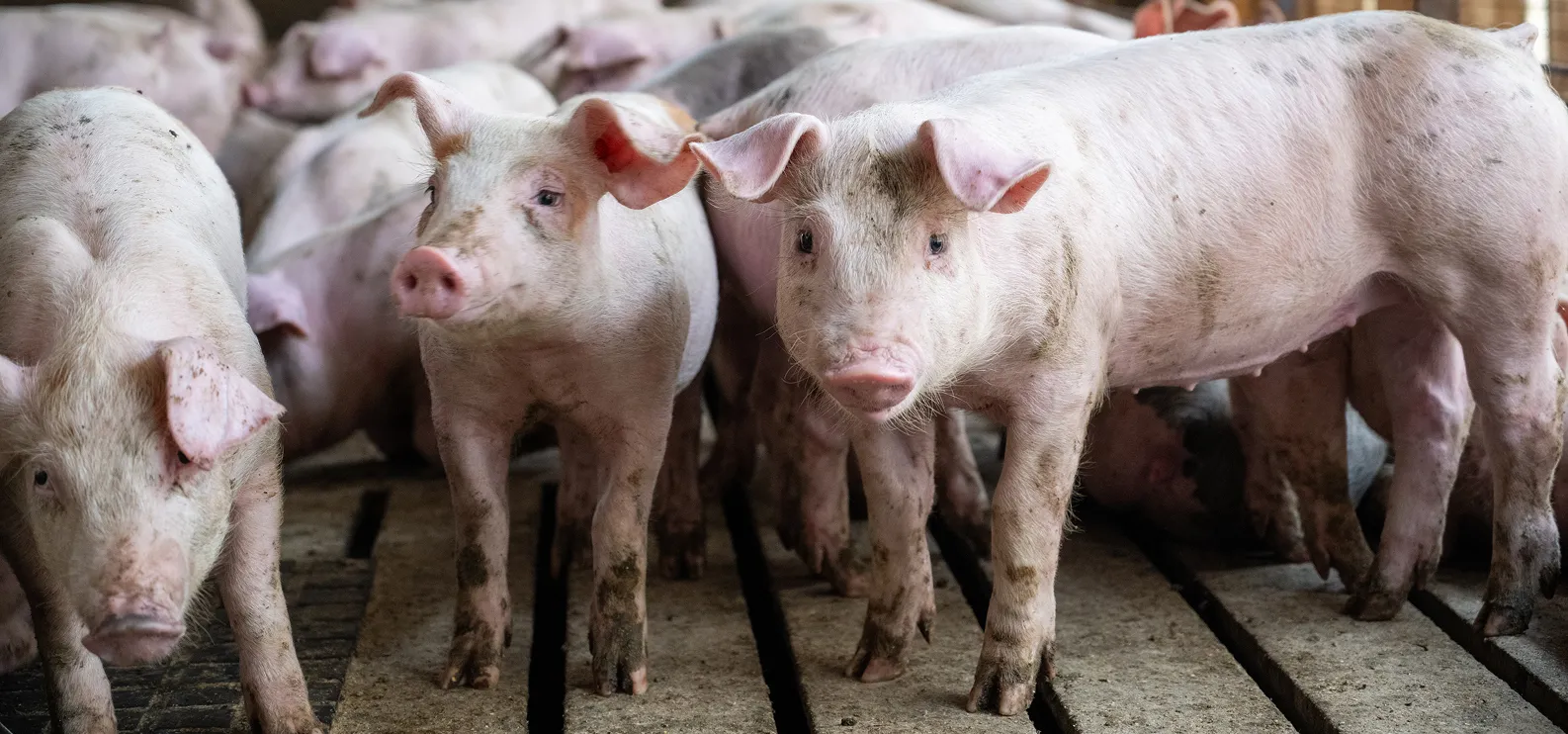
Soy Shown to Improve Respiratory Health in Swine
Beyond serving as a primary protein source in pig diets, soy can offer health benefits through its bioactive compounds. Dr. Brooke Smith, veterinary nutrition lead at Cargill Animal Nutrition, demonstrated that feeding soy isoflavones to pigs challenged with a respiratory virus reduced mortality by up to 50%. Even though more pigs supplemented with isoflavones were classified as extremely light in weight at the end of the study, a modeling exercise showed that the higher number of pigs surviving to market could potentially provide up to 30% more revenue to the producer.

CASE STUDY
Bioheat® Keeps Homes Cozy and Air Cleaner
As demand grew for cleaner heating alternatives, fuel providers in the Northeast turned to soybean oil. By replacing petroleum with soy-based biodiesel, Bioheat® reduces greenhouse gas emissions and supports America’s farmers. Now used in thousands of homes across cold-weather states, Bioheat® is keeping families warm and working toward their commitment of 50% soybean oil in their formulation by 2030.
Case Study
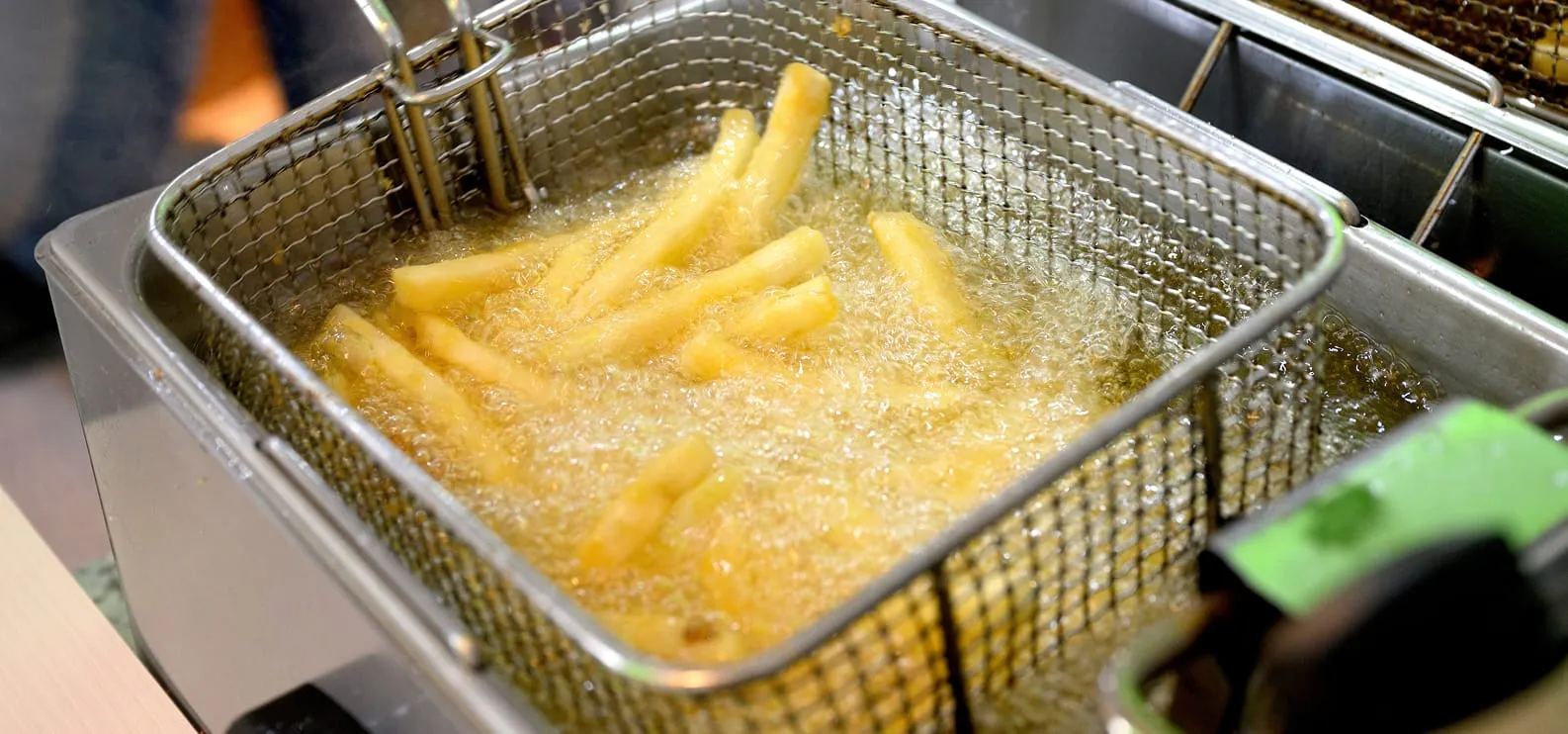
Wing Barn Fries Smarter with High Oleic Soy Oil
With a menu that’s 65% fried, Wing Barn needed a high-performance oil that could handle the heat. Switching to a blend of high oleic and conventional soybean oil gave them longer fry life, better texture, and easier cleanup. The result? Happy customers and significant cost savings in the kitchen.